

Episode 8 of The Apprentice in 2011 offered a sharp illustration of how performance, ego, and misplaced confidence can derail even the simplest business task. Team Logic’s attempt at a theatrical biscuit pitch revealed more about their leadership blind spots, group dynamics, and decision‑making under pressure than about the product itself. What unfolded was a case study in how teams lose clarity, misread context, and default to artful dodging when psychological safety and role clarity are missing.
I’m resurfacing this piece because the patterns I observed back in 2011 still show up in the executive teams I work with today. These dynamics continue to inform how I coach leaders around clarity, cohesion, and psychological safety.
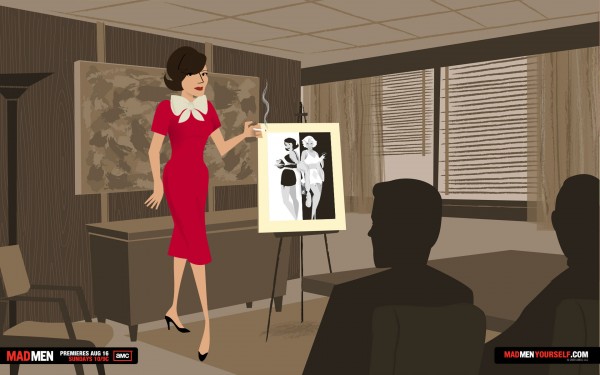 Perhaps team Logic’s Melody (their script writer) was inspired by the artful presentation talent of Don Draper a character on the Mad Men TV series which was broadcast in the UK via BBC2. Don Draper is a creative advertiser and known to be a great pitcher. He manages to weave dramatic narrative through his communication about the value that can within in a product or service. Unlike Don Draper, Team logice failed because they chose to do a hammed up role play in order to sell biscuits to various supermarket chains. But the team however soon discovered that biscuit buyers of Sainsbury, Asda and Waitrose despite being imaginative were not ready to be audience to a rare and lost form of fringe theatre. I find it intriguing that team Logic felt confident that boardroom offices of supermarkets could be theatres or cultural centres too? Indeed it seems to be taking the Arts Council for England’s plans for innovative community outreach through drama a bit too far they’ve only just managed to get theatre into libraries.
Yes role play is used successfully in training, coaching or counselling events to either build skill, prepare for a difficult event or make learning last longer. But should a business pitch have role play? Considering what the normal negative response to the question of role play in business pitches would be, leads me to wonder why the role play in Team Logic’s pitch did not work.
Personally I think it was wrongly placed and that it would have worked if more thought had gone into the plot, the length and whether to use it at the beginning middle end or after a particular question was asked. I coach clients or entrepreneurship students to prepare for seeing a banker or doing an elevator pitch. From this I see that people do get better results when they use dramatic license to express themselves more intensely about their products/ services and business aims or objectives.
Just like the tips portrayed in this explanation of an elevator pitch
The skills of drama could have helped the team enliven what would normally be a mundane encounter where a group of people play the game of enthusiastic sellers and reluctant being sold to. Some careful script writing should have been used to show off business capability through blending the necessary facts figures with the equally important passion for the product offering. Perhaps Melody held a secret longing to be an actress and in initiating the role play was using the event on the show as a platform for what she might believe are her hidden talents. .. I jest!
Artful dodging
As usual on The Apprentice this week we saw the task’s potential hijacked by the battles of the big egos. Some particular strong warring was between melody and Zoe. At first on the show we saw the bickering between Suzie and Zoe continue until a surprise move occurred when Zoe decided to work with her. That’s strange we all thought as we viewed…why is she doing that? But for the answer to that I will refer my regular readers on to the Cain and Able article to recall how a practical strategy for a group is to keep enemies closer. Indeed when Suzie and Zoe worked together there was less bickering and fighting. Instead it was Melody who was seen to get the bullet as Zoe acted out a shooting at Melody in the factory while talking with her on the phone. We learned later that Melody dodged the bullet and that it was Zoe who received the shot’s ricochet in being fired herself by Lord Sugar. Interestingly the pairing of Zoe and Suzie had the surprising effect at the boardroom when Nick or Lord Sugar accused Zoe of creating an alliance in Suzie. Well it proved to be unhealthy/ unhelpful alliance.
Perhaps too much of Zoe’s energy was spent on keeping an eye on Suzie when she should have used her factory girl talents more effectively to scrutinise biscuit production operations. In the end Lord Sugar believed that Zoe was dodging her responsibility as project manager and failed to oversee the central area of food quality which is in its recipe design and production. I only know this as I’m an amateur baker (I will tell you about my involvement in BBC2’s Great British Bake Off program story one day).
Overall I suspect Zoe dodged the food technology element because it’s too familiar and challenging. I can understand her feeling that she deserved a rest from her every day occupation and that she might have sought the opportunity to direct proceedings. But her artful dodging of that role had more serious consequences in the end.
Related post

You must be logged in to post a comment.