
Tag: Psychological safety
-

Misreading Negativity: How Vigilance Shapes Team Dynamics
When someone seems glum or hard to approach, it’s often vigilance rather than negativity. This post reframes depressive realism as a protective stance and offers three practical ways for leaders to engage these colleagues without avoidance or pressure for positivity. The video draws on Rachel Msetfe’s research into depressive realism and how risk‑sensitive individuals can…
-
Introducing the Leader Performance Visualisation Series: Somatic Practices for Modern Leadership
A new series of somatic leadership visualisations designed to help leaders build clarity, calm, and presence through short, embodied practices. This post introduces the purpose behind the series and how it supports modern leadership.
-
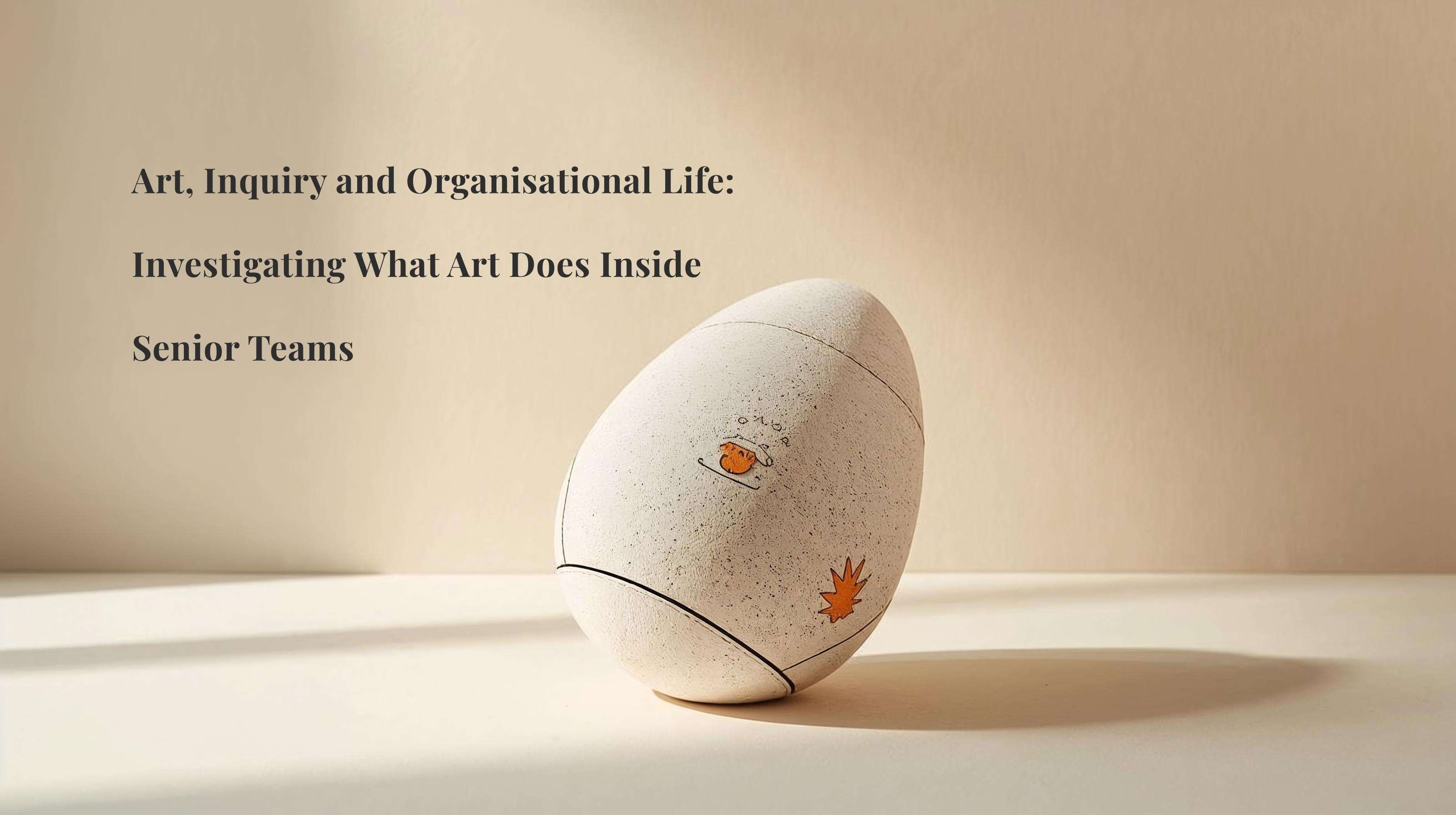
Art, Inquiry and Organisational Life: Investigating What Art Does Inside Senior Teams
My recent ACE R&D application has clarified just how important my intended research is: it examines how Artful Artefacts™ helps senior teams surface hidden dynamics, strengthen cohesion and deepen psychological safety inside organisational life. If you are curious about participating in this research or have a question about the process, I would welcome a conversation.
-

Why Senior Teams Struggle with Change: The Relational Dynamics That Shape Performance
Senior teams rarely struggle with change for strategic reasons. The real barriers lie in the relational patterns, unspoken tensions, and cultural assumptions that surface when the pressure rises. An executive team coach helps you work directly with these dynamics so your group processes become a genuine asset in times of change.
-

Is Your Leadership Style Too Nice? A Better Question for Leaders
The debate about whether leaders are “too nice” misses the point. What matters is whether leadership builds trust, clarity, accountability, and genuine human connection.