How Artful Artefacts™ Helps Senior Teams Strengthen Cohesion, Psychological Safety and Organisational Clarity
Art has been a constant thread in my life, sometimes visible, sometimes questioned, always present. I am starting my formal research into Artful Artefacts™. This process brings me back to a childhood question that shaped everything that followed: What can art actually do? Art is not just a hobby or diversion. It serves as a serious, structured way for teams to understand themselves. Art helps improve culture and navigate organisational complexity. This post outlines the research I am undertaking and why it matters for organisations seeking clarity, cohesion and care.
Not Just a Creative Workshop: A Research Journey Rooted in a Childhood Question
When I was seven, my mother opened my first school report. She paused at the line “Glenis is good at art.” She then asked a question in such a mystified manner that it has stayed with me for a lifetime. “What is art going to do for you?” I shrugged my seven-year-old shoulders. I hoped that one day I would have her answer. I could not find it then.
At the time, it felt like a practical question from a practical woman. Over the years, it has become the central thread in my creative practice. It is also a central thread in my academic work and my leadership development career. It has influenced my perspective on organisations. It has impacted how I collaborate with teams. It has also altered my understanding of creativity in systems under pressure.
Art as Lifeline, Lens and Long-Term Companion
Art gave me peace during turbulent school years. It opened doors I didn’t expect. My early signals were there: A‑level art got me into the sixth form and gave me the confidence to sit comfortably alongside the clever girls doing Latin. Ignoring my art teacher’s suggestion that I apply to Central Saint Martins was the first sign my interest was waning, although in my early twenties I still worked as a make‑up artist. I later rediscovered art during an internship at Tate Britain, spending my days talking with visitors in the grand hallway. The thread resurfaced again during my BA, when I wrote a dissertation comparing Tate’s audience development with the Art Institute of Chicago, research I eventually presented to Lady Sainsbury and the heads of the Tate Membership team. That experience brought cultural capital that supported my PhD research on creative industry entrepreneurs. By 2018, I knew I didn’t want to lose art again. Therefore, I started Home Office Charm. I wanted to keep that part of me alive. Art is not a side story. It is the grounding force behind the research I am now pursuing.
What Artful Artefacts™ Is and What It Is Not
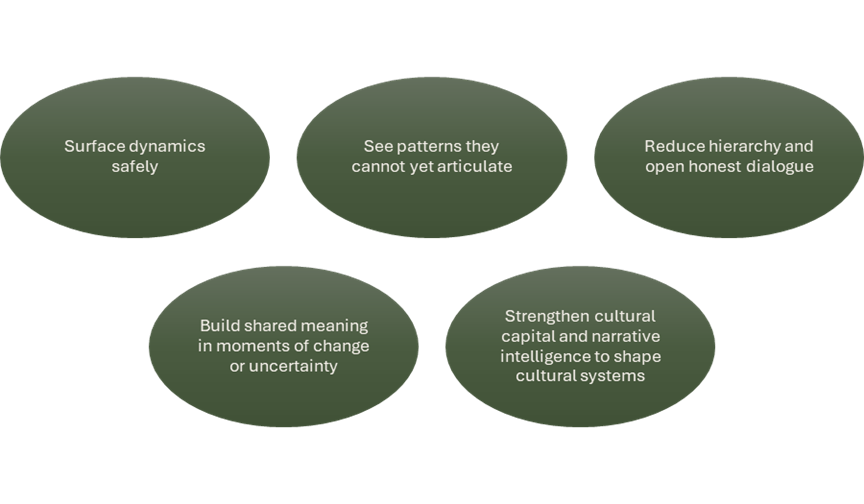
Artful Artefacts™ is a structured, psychologically informed methodology. It uses artistic processes to help teams surface dynamics safely and reveal patterns they cannot yet articulate. It also reduces hierarchy, opens honest dialogue, and builds shared meaning in moments of uncertainty. Additionally, it strengthens cultural capital and deepens narrative intelligence. This is creativity as sense‑making, not entertainment.
My work draws on over 20 years of teaching leadership and management. It includes executive team coaching training at Hult Ashridge. I have engaged in four Tavistock Institute programmes in systems and organisational dynamics. I have dedicated eight years to developing my creative practice. I also maintain a long-standing commitment to psychologically safe, DEI‑mature development.
Why This Research Matters
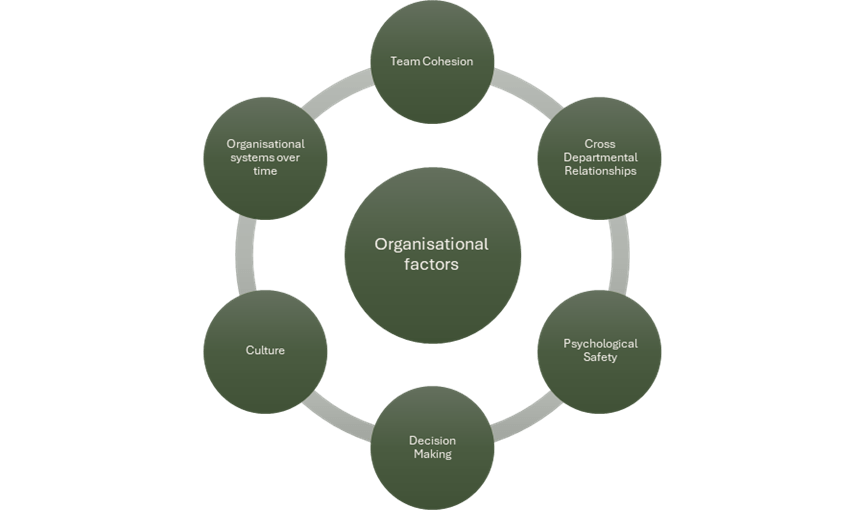
Teams enjoy creative practices in learning and development, but enjoyment is not the point. The deeper question is: What does art-based L&D actually do for organisations? This phase of the research examines the impact of art‑based learning on essential organisational factors. These factors include team cohesion and cross‑departmental relationships. It also considers psychological safety, decision making, cultural health, and the evolution of systems over time.
Later phases of the research will examine wider experienced impact and ROI. This is not to reduce art to metrics. Instead, it aims to understand how creative processes shift the architecture of organisational life.
An Invitation to Commissioners and Organisations
As part of this ACE research, I am inviting a small number of organisations to participate. Ideal partners include L&D commissioning managers and senior teams navigating complexity. Mid‑sized firms strengthening cohesion are also ideal. Early‑stage organisations building culture intentionally are welcome. DEI‑mature environments seeking psychologically safe approaches are encouraged. Additionally, teams curious about how creative processes support systems thinking are invited. Participation involves a short Artful Artefacts™ experience and a reflective discussion, either in person or virtually. I would be delighted to hear from organisations interested in taking part.
Returning to the Question That Started It All
So, what is art going to do for me? It has given me a way to help teams see what they cannot yet say. It has given me a methodology that honours complexity rather than simplifying it. And it has given me a research path I am ready to pursue with rigour, curiosity and care. If you are reading this as part of my ACE application, thank you.
If you are a commissioning manager or L&D vendor‑manager, I would welcome a conversation. You might be seeking thoughtful, psychologically safe approaches to senior‑team cohesion. We can discuss whether this research might be a good fit for your organisation.

Please Leave Your Reply Here!