
A 2026 reflection on the early signals – including a paintballing parody advert – that first revealed the limits of combative team‑building and quietly shaped the human‑centred approach I now bring to senior team development.
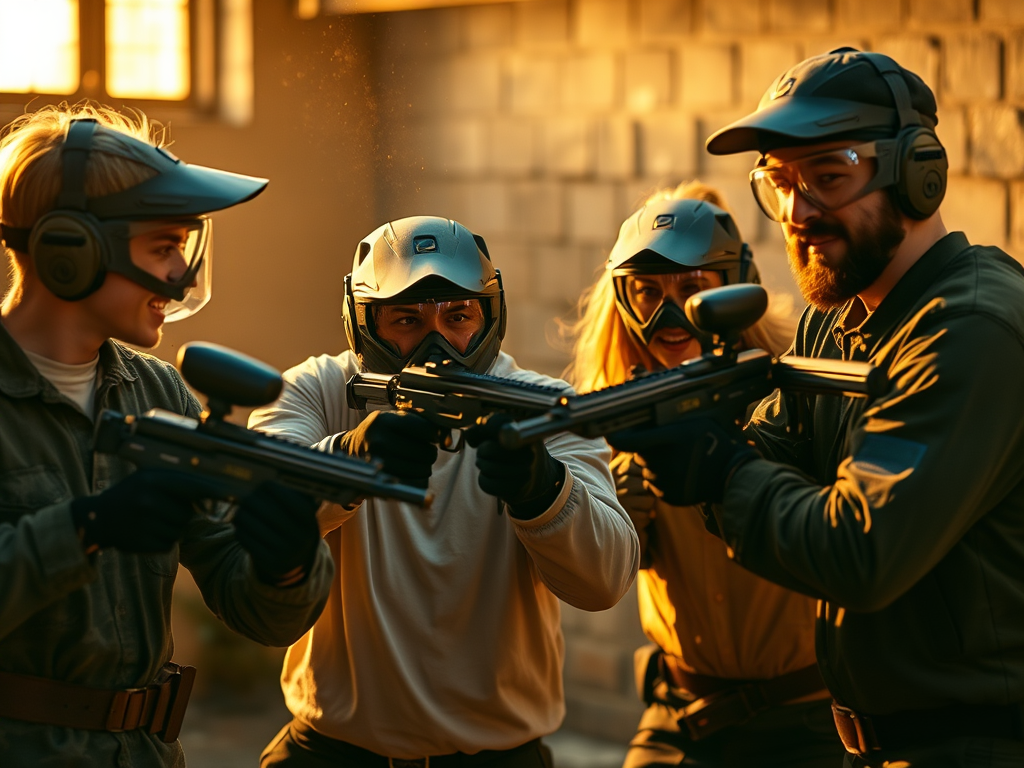
I’m resurfacing this piece from 2014 because it captures the earliest clues that shaped the work I now do with senior teams. At the time, an advert was circulating that parodied paintballing as a corporate team‑building exercise, complete with exaggerated combat poses and mock‑heroic narration. It was meant to be humorous, but it also revealed something deeper: the widening gap between what organisations said they valued and the combative, competitive activities they continued to commission.
Looking back, I can see that this was one of the first moments when I began questioning the logic of these practices. Even then, I was noticing how high‑adrenaline, performance‑driven events often undermined the very behaviours organisations claimed to want: psychological safety, collaboration, and genuine human connection.
With more than a decade of practice behind me, I now understand that these early observations were pointing toward the human‑centred, relational, psychologically safe development work I deliver today. This post marks the beginning of that journey – the moment I first recognised that team cohesion isn’t built through mock combat, but through presence, compassion, and the kinds of humanising rituals that allow people to see each other clearly.
Here is the original post, exactly as it was written in 2014.
2014 Original Post: “How Are You Building Your Cohesive Collaboratively Working Team Again?”
Have you seen that advert too! The narrator provides a tongue in cheek ironic introduction about combative corporate training games. And I tend to agree. It reminds me of discussions I continuously have with delegates and PG students around the difference between what their company says it is about and the modes of training/ L&D practices that the organisation sends their managers on.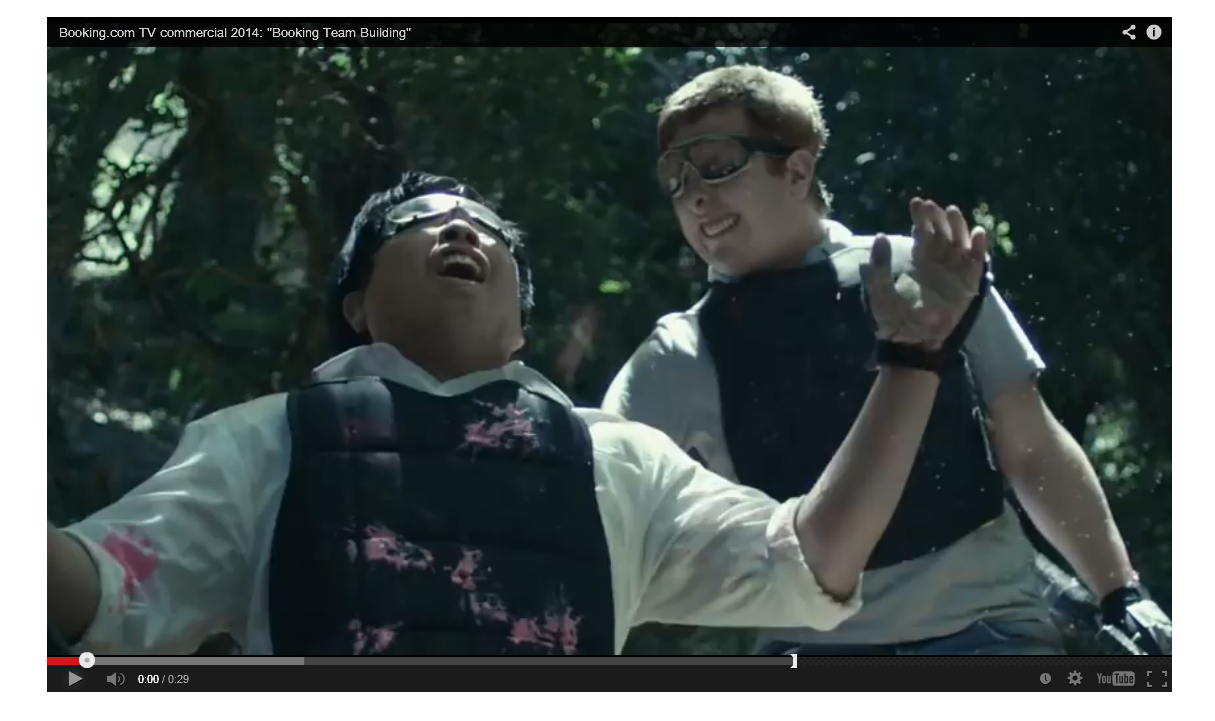
We always end up discussing whether combative events, like those featured in the advert, are effective at building cohesive, collaborative teams. Therefore, I think the points the narrator makes in this segment of that advert are poignant. But I’m not sure I agree with the reasoning behind the delegates being “putting up with it,” though.
Increasing Demands for the Softer Touch
In fact, I’m writing this on the day I’m planning to deliver an L&D program for an industry giant. And far from asking employees to engage in combative pursuits, competitive games, and more rough-and-tumble, this brief has asked for a program that will revive over 20employees in a department while providing some learning and development.
So, in the session plan I’ve created, I’ve included exercises and micro-events to help employees learn the important skills of self-compassion and connection with each other through more humanising rituals. Instead of fighting, they will work together in pairs on practical exercises. Hence, they come to understand each other as people with individual concerns that we all(as humans) share.
For this work I’m inspired by the book Loneliness and the Need for Human Connection by Univ. Chicago neuroscientist John T. Cacioppo
Helping to design and deliver these softer kinds of events for the more enlighten set of organisation leaders are an essential part of why I love my work as an OD and L&D consultant.

You must be logged in to post a comment.